Jalapeño Cheddar Artisan Bread. - harvestandnourish.com

Welcome to H&N!
  • All Recipes
  • Newsletter
  • Contact
  • Home
  • Bread Recipes
  • All Recipes
    • Bread Recipes
    • Breakfast
    • Lunch
    • Dessert
    • Appetizers
    • Jams and Spreads
    • Sauces and Dressings
    • Soups and Salads
    • Side Dishes
    • Dinner
    • Pizza
  • newsletter
  • Shop
  • Start Here
  • About
  • Nav Social Icons

  • Skip to primary navigation
  • Skip to main content
  • Skip to primary sidebar

Harvest & Nourish

Simple, scratch-made recipes and artisan breads.

Artisan Bread Basics, Bread Recipes · July 17, 2025

Artisan Bread Basics: How Cold Proofing Changes the Game + Answers to FAQ’s

This post may contain affiliate links, please see our privacy policy for details.

Last updated on February 11th, 2026

In the Temperature instalment of this series, we discussed how ingredient, room and oven temperatures are key factors in determining your optimal baking schedule and ensuring a good result. Now we’ll dive into a separate temperature-related component—cold proofing—and why it will give you even better results.

In this post, we’ll cover:

  • Proofing basics—what it is and how it differs from the first rise (bulk fermentation)
  • The best temperature for proofing dough—hint: there isn’t just one
  • How my artisan bread recipes differ from others
  • My #1 artisan bread making tip
  • The benefits of cold proofing
  • Answers to frequently asked questions
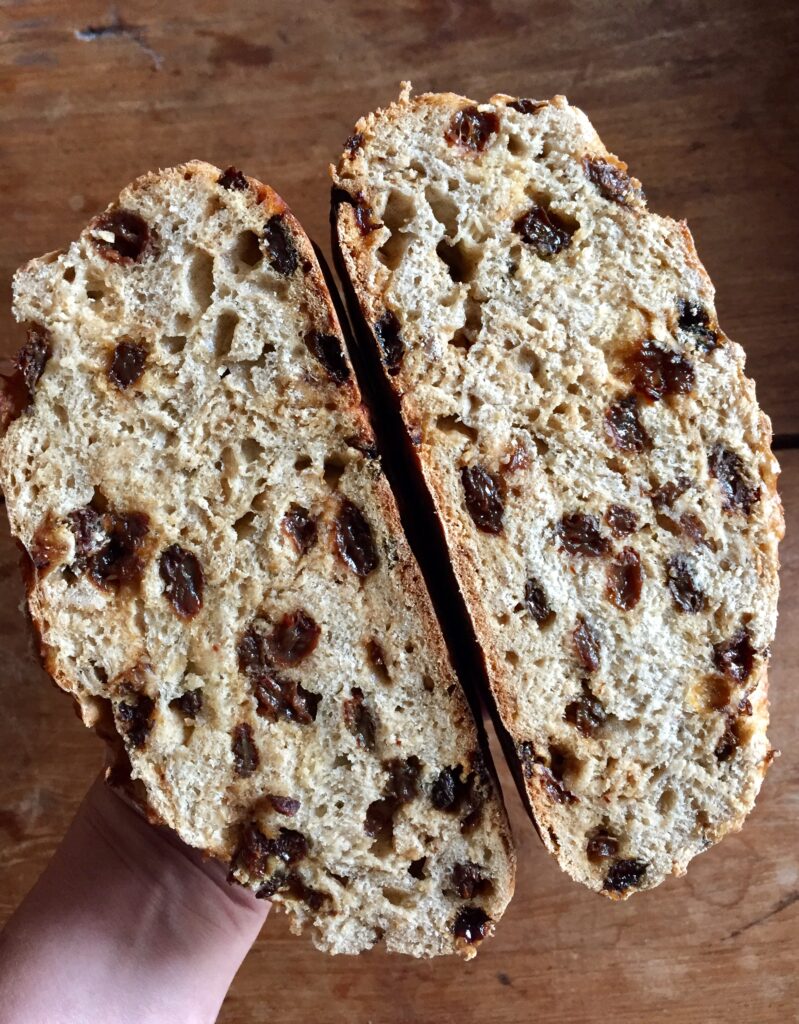
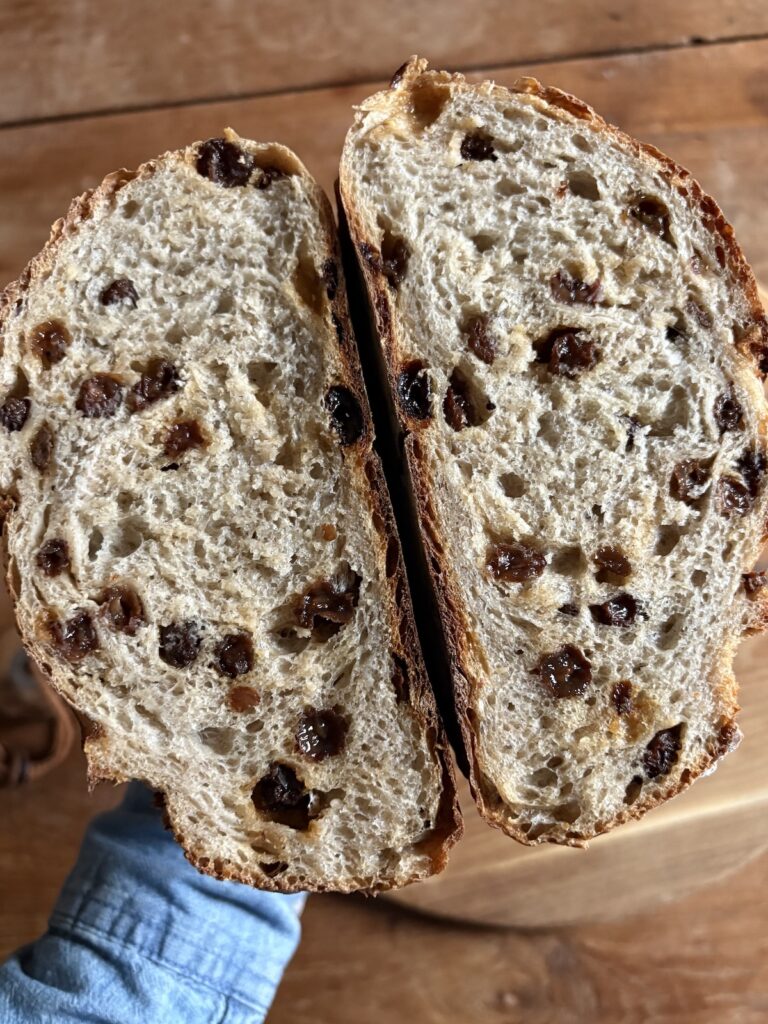
Cinnamon Raisin Artisan Bread. - harvestandnourish.com
No-Knead Cinnamon Raisin Artisan loaves with cold proofing (left) and without (right).

You can find the recipe for Cinnamon Raisin Artisan Bread here.

You can find my Everyday Artisan Bread recipe here.


What is proofing?

Let’s begin by going over the basics. Proofing, in this case cold proofing, is the last step after shaping the dough before it’s baked.

This step is sometimes called the second rise or “proving” the dough and it —as well as the word “proofing”— is often confused with the first rise or bulk fermentation.

The key difference is that at this stage the dough has been shaped into a cohesive loaf and no longer resembles the sticky, bubbly mass it is during the first rise. During cold proofing, the dough continues to ferment, enhancing gluten formation and increasing volume, but in a slowed and controlled environment.

What is the best temperature for proofing dough?

As it turns out, there isn’t just one. It all depends on the type of dough you’re working with, the taste and texture you’re looking for, and your baking schedule. Same day proofing, as called for in these Honey Whole Wheat Sandwich Bread, Buttermilk Dinner Rolls or Simple Focaccia recipes, is typically done at room temperature. Cold proofing (called retarding in sourdough bread-making) is where the dough is proofed at a cold temperature in the refrigerator, usually overnight. This is what I call for in artisan bread recipes like this Cranberry Walnut and this Green Olive & Rosemary. The dough is then scored and baked straight from the fridge.

More on the benefits of cold proofing below. 


How my artisan bread recipes differ from others

Unlike most artisan bread recipes—including previous versions of my own—my recipes call for a long cold proof.

When I first started making artisan breads, I went with the most common approach of leaving the dough to rise somewhere warm for 8 to 24 hours until it had doubled in volume (or until I was ready to bake it). Even with optimal conditions, however, the 8 to 24-hour window is fairly open-ended. For many, your dough will be ready to bake much sooner due to temperatures and environmental conditions. 

On the other hand, it can be all too easy to mix your dough, set it aside and forget about it only to discover that it has tripled in volume and turned into a sticky mess. This approach also assumes that you’ll bake your bread right away, and what if you can’t? 

With these questions in mind, I went in search of a solution that would allow me to produce an even better result. One that would rely on a more controlled and reliable method and work under almost any circumstances. The answer was to be found in my 4-Ingredient Artisan Pizza Dough recipe.

My #1 artisan bread making tip

Knowing your optimal rise time and cold proofing the dough in the refrigerator will vastly improve your loaves.

As a home baker, the overnight method definitely works for me, and building in the added step of an overnight cold proof makes for even better bread.

Putting the dough in the fridge once it has completed its first rise and been shaped has been a game changer.

Here’s why:

The benefits of cold proofing bread dough

  • Better browning.
  • Improved structure due to strengthened gluten formation.
  • Bubblier, softer, chewier crusts.
  • A more complex, richly flavoured loaf.
  • More flexibility in terms of when to bake—it makes scheduling easy!
  • It makes scoring your loaf a lot easier.

The added step of cold proofing the dough results in a much lighter, open and airy crumb with the added benefit of reducing the risk of over-fermentation.

The longer the cold proof, the better the result. Whether you choose to bake your loaf after a 4-hour cold proof or a 24-hour cold proof, once you remove it from the fridge all you have to do is reshape it if needed, score it, then bake. There’s no need for a second proof.


Frequently asked questions

Q. Should bread dough be covered or uncovered during a cold proof?

Air circulation systems in most refrigerators will dry out your dough, so covering it with plastic wrap or a floured tea towel (or similar) is recommended. I’ve done both and will only use plastic for shorter cold proofs because it creates a micro-environment that seals in humidity. For longer proofs, I prefer to use a flour covered tea towel. This is because over time, the added humidity created by the plastic will result in over-fermentation of an already well-hydrated dough. The dough will lose its shape and develop a yeasty smell and taste.

Q. How long is “overnight”?

All my artisan bread recipes are very forgiving and include a suggested baking schedule that you can adapt to your own. The exact number of hours can vary depending on when the dough was mixed. Aim for between 10 and 16 hours. 

Q. Does the dough have to double in size during the proofing stage?

No, dough sizes can vary based on a number of factors such as flour type, hydration level and shaping technique. There only needs to be some rise in the dough to be sure there is good fermentation activity. Your visual cue is that it will continue to rise while in the refrigerator and begin to take on the appearance of a baked loaf. 

Q. My dough has been left in the fridge for more than 24 hours, what can I do?

I’ve left bread dough in the fridge for up to 48 hours, and while the final loaf had a somewhat punchier taste and less rise, it was still delicious. 

Q. I’ve been making your bread recipes for years, can I still do it the same way?

Of course! The added step of cold proofing your dough is recommended. Not doing so will result in a milder flavour and a dough that is less structured and harder to score. What really matters, however, is that you use the method that works best for you. With time and practice you will refine the method that best suits your environment, preferences and schedule.


Please feel free to leave any questions, comments or reviews. This is the best place to reach me, and I’d love to hear from you!


Posted In: Artisan Bread Basics, Bread Recipes

Cheddar Scallion Drop Biscuits. - harvestandnourish.comCheddar Scallion Drop Biscuits
Artisan Pizza Dough. - harvestandnourish.com4-Ingredient Artisan Pizza Dough
Rosemary Parmesan Scones. - harvestandnourish.comRosemary Parmesan Scones

Reader Interactions

Leave a Reply Cancel reply

Your email address will not be published. Required fields are marked *

Recipe Rating


Next Post >

My Grilling Tips & Tricks

Primary Sidebar

About Photo
Hi, I'm Kerry! Recipe developer, gardener and bread enthusiast. Sharing simple, scratch-made recipes and beginner-friendly artisan breads made in my prairie kitchen. I'm so happy you're here! 🌻

Free Recipes & Updates!

POPULAR POSTS

ON INSTAGRAM

Sugar-crusted, bakery style blueberry muffins. Mad Sugar-crusted, bakery style blueberry muffins. Made with just a handful of pantry staples, they’re oil free and ready in 45 minutes. The perfect simple and delicious breakfast or snack 🩵

Comment “recipe please” and I’ll send it! 

https://www.harvestandnourish.com/blueberry-muffins

#blueberries #muffins #blueberrymuffinrecipe #fromscratch #blueberrymuffins
Simple NO KNEAD Sunflower Rye Bread that’s hearty Simple NO KNEAD Sunflower Rye Bread that’s hearty and satisfying with a nutty, earthy flavour profile. Absolutely delicious simply toasted with butter, it’s a quick rise you can have baked in a little over 4 hours 🌻 

Comment “recipe please” and I’ll send it!

https://www.harvestandnourish.com/simple-no-knead-sunflower-rye-bread

#bread #ryebread #homemadebread #sunflowerrye #easybreadrecipe
ONE BOWL double chocolate banana bread that’s pack ONE BOWL double chocolate banana bread that’s packed with rich, intensely chocolatey flavour. All done up with notes of cinnamon and vanilla, it has a deliciously smooth, fudgy texture reminiscent of your favourite birthday cake ♥️ 

Comment “recipe please” and I’ll send it!

https://www.harvestandnourish.com/double-chocolate-banana-bread

#bananabread #chocolatebananabread #doublechocolate #onebowl #bananabreadrecipe
Easy NO-KNEAD cinnamon raisin artisan bread. This Easy NO-KNEAD cinnamon raisin artisan bread. This beginner-friendly loaf is packed with plump, sticky raisins and aromatic cinnamon then lightly sweetened with richly flavoured dark brown sugar. Recipe includes everything you need to know to get that lofty rise and open crumb ❤️ 

Comment “recipe please” and I’ll send it!

https://www.harvestandnourish.com/no-knead-cinnamon-raisin-artisan-bread

#bread #artisanbread #cinnamonraisinbread #noknead #easybreadrecipe
Easy 10-minute Caesar dressing that’s creamy, lemo Easy 10-minute Caesar dressing that’s creamy, lemony and so delicious you’ll want to eat it by the spoonful. A must-make for your next pizza or pasta night, serve it with crisp, crunchy greens and a blanket of Parmesan ♥️

Comment “recipe please” and I’ll send it!

https://harvestandnourish.com/caesar-dressing/

#caesar #caesardressing #saladressing #dairyfree #caesarsaladdressing
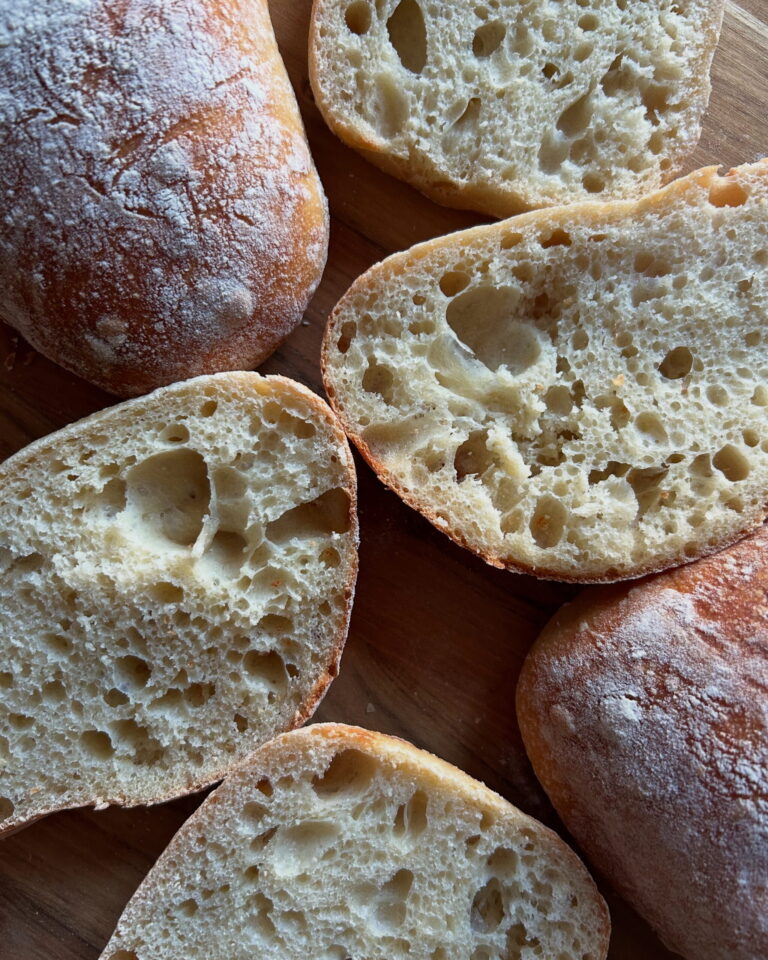
Beginner-friendly, these easy no-knead small batch Beginner-friendly, these easy no-knead small batch ciabatta rolls are light and fluffy with a thin, crispy crust and an open, airy crumb. The method is simple with everything mixed by hand and calls for an overnight cold proof for added depth of flavour. If pressed for time, I’ve included notes to have them baked up in as little as 4 hours 🥖

Comment “recipe please” and I’ll send it!

https://www.harvestandnourish.com/easy-small-batch-ciabatta-rolls

#ciabatta #ciabattabread #ciabattarolls #smallbatch #easybreadrecipe
Classic oatmeal cookies made with dark brown sugar Classic oatmeal cookies made with dark brown sugar, warming cinnamon and cozy vanilla. With the best flavour and texture, they’re soft and chewy, super easy to make and so good! 🍪

Stay warm friends, it’s cold out there! 

Comment “recipe please” and I’ll send it! 

https://harvestandnourish.com/giant-oatmeal-raisin-cookies/

#cookies #oatmealcookies #cookierecipes #oatmealraisincookies #easydesserts
  • Privacy Policy & Terms of Use
  • About
  • Contact

Copyright © 2026 Harvest & Nourish · Theme by 17th Avenue