How to Store Homemade Bread: Keep Artisan Loaves Fresh
Last updated on October 8th, 2026
This post is part of my ongoing No-Knead Artisan Bread Basics series. In each instalment, I answer reader questions and provide guidance on the core elements of artisan bread making. In the last instalment we covered sticky doughs, common mistakes and related FAQ’s. Today, we’re breaking down the science of why plastic bags are destroying your crusty loaves—and the simple, beginner-friendly tricks for how to store homemade bread and keep it fresh longer.
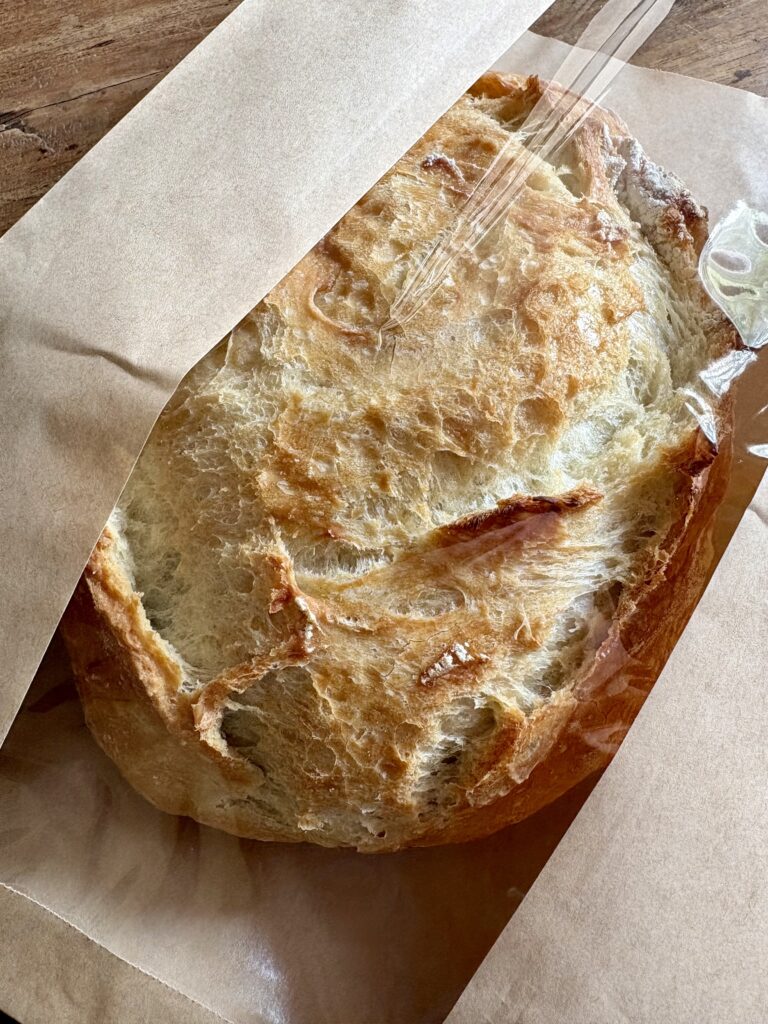
If you’ve ever asked yourself, “I made this beautiful loaf, but how do I keep it fresh?” you’re not alone. You spend hours anticipating a beautiful, fresh loaf of bread, only to find it has turned into a soggy sponge in a plastic bag or a literal rock on your counter by day two. This is a universal frustration for home bakers.
In this post we’ll cover:
- Storing Homemade Bread in Plastic Bags: Pros and Cons
- The Science of Bread Storage: Crust vs. Crumb
- How to Store Different Types of Homemade Bread
- The Biggest Bread Storage Mistake (What Not to Do)
- Why Freezing is the Secret to Making Homemade Bread Last Longer
- 4 Eco-Friendly Alternative Bread Storage Tools
You can find the recipe for simple 4-ingredient No-Knead Everyday Artisan Bread here.
For transparency: This post is not sponsored. Should you choose to purchase any of these products I may receive a small commission at no additional cost to you.
The current consensus among bread experts, professional bakers, and the home baking community is highly polarized, drawing a sharp divide based entirely on the type of bread crust you’re trying to preserve.
Because scratch-made bread doesn’t contain any additives or preservatives, it requires a totally different storage strategy depending on whether you’ve baked a soft sandwich loaf or a crusty, rustic boule.
For our purposes—no-knead yeasted breads and healthy daily sandwich loaves—the advice splits down the middle into two distinct camps.
Storing Homemade Bread in Plastic Bags: Pros and Cons
The Consensus: A Lifesaver or a Crime Against Crust?
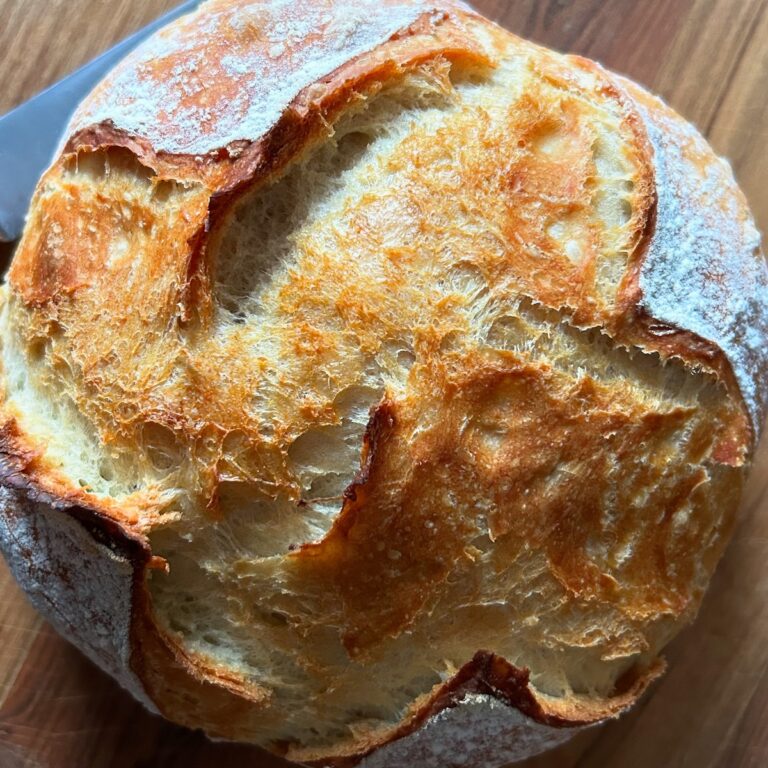
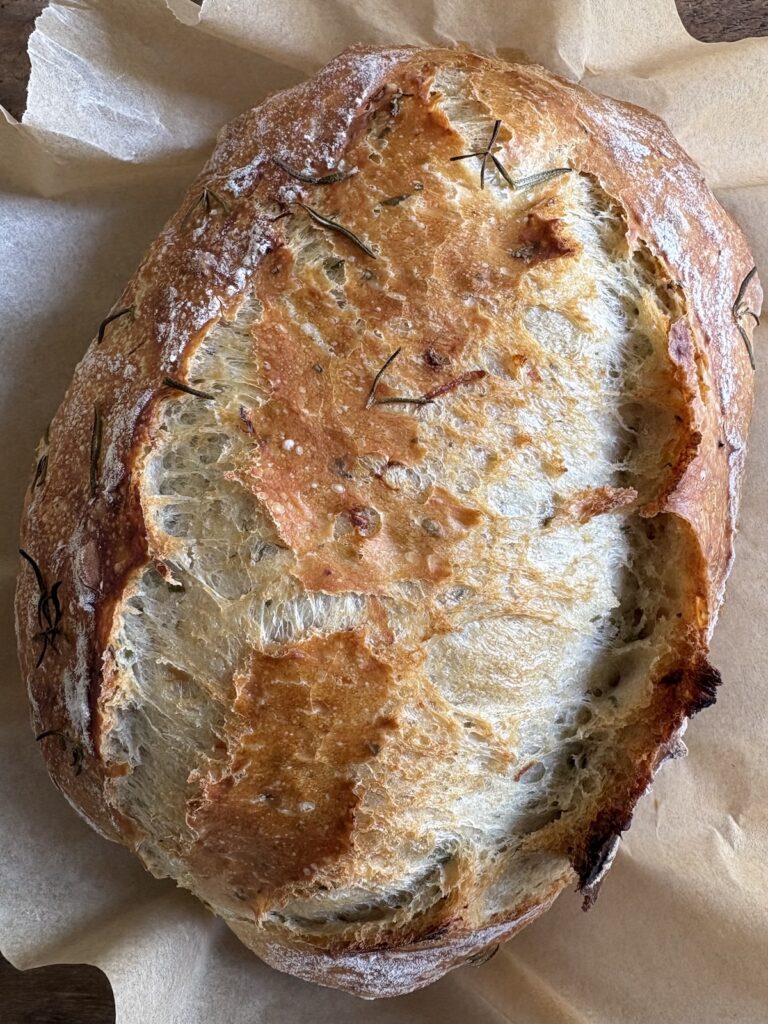
Bakers focused on crusty, rustic no-knead boules and batards (like those baked in a Dutch oven) generally view plastic bags as “detrimental” to artisan bread. Plastic creates a totally sealed, zero-airflow environment. Because home-baked bread is preservative-free, it naturally releases moisture as it sits. Plastic traps this moisture, causing condensation to form inside the bag.
The once-crispy, crackly crust of your artisan loaf turns completely soft, tough, and moisture-laden within hours. Worse, trapping that humidity speeds up mold growth, often spoiling the loaf in just 1 to 2 days.
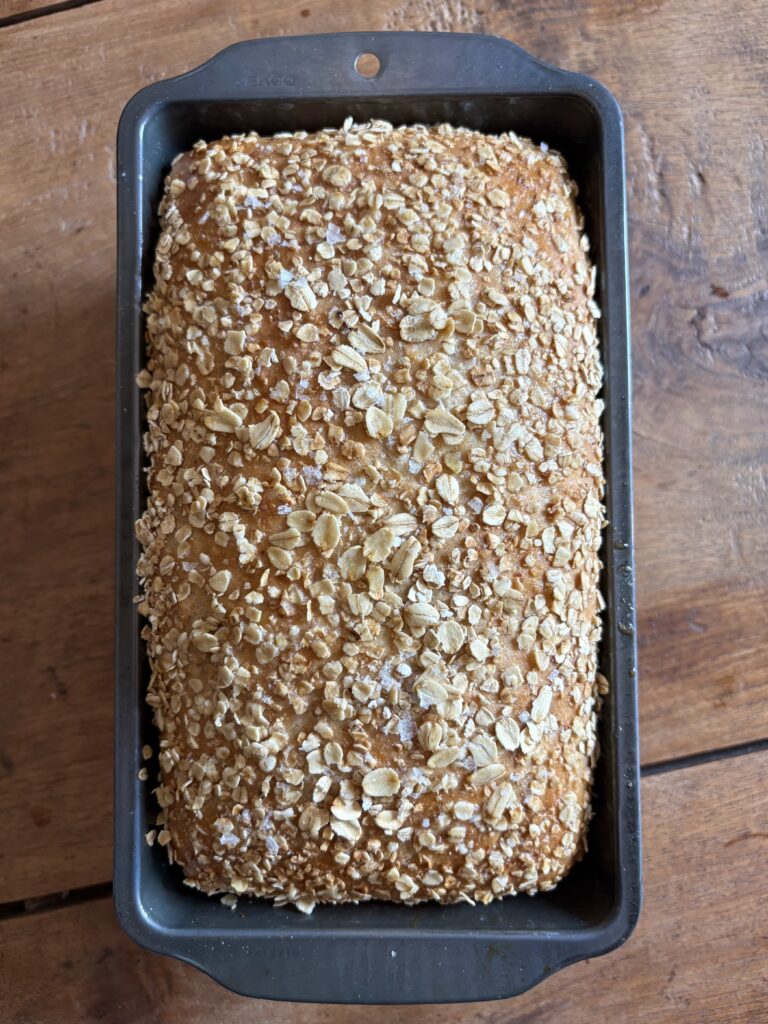
When it comes to soft-crust sandwich loaves, sandwich buns or enriched breads (using milk, honey or a touch of oil), however, plastic is still considered the undisputed champion. Storing a soft sandwich loaf in a breathable paper or linen bag will cause it to dry out and go stale within 24 hours. Instead of single-use grocery bags, home bakers are buying bulk packs of food-grade, heavy-duty clear polyethylene (PE) bags with twist ties.
The Science of Bread Storage: Crust vs. Crumb
In simple terms, the crumb (inside) needs to keep moisture, so it stays soft and chewable. Conversely, the crust (outside) needs to shed moisture so it stays crisp and crackly. Standard plastic bags trap 100% of the moisture inside. This saves the crumb but destroys the crust and accelerates mold growth.
How to Store Different Types of Homemade Bread
- For No-Knead Crusty Boules and Batards (Dutch Oven Breads, Ciabatta):
- First 24 hours: Store cut-side down on a wooden cutting board or in a brown paper bag or bakery-style brown paper bread bag.
- Days 2–4: Move to a breathable linen or cotton bread bag or a classic vented, unsealed bread box.
- For Soft-Crust Sandwich Loaves (including Focaccia, Rolls, Biscuits):
- Best Practice: Use food-grade polyethylene (PE) bags with a twist tie (3 to 5 days) or a tightly sealed bread box (2 to 4 days). Because these breads lack chemical preservatives, ensure the loaf is 100% cool before bagging to prevent condensation.
The Biggest Bread Storage Mistake (What Not to Do)
Never store homemade bread in the refrigerator! The cold temperature accelerates a scientific process called retrogradation, which recrystallizes starches and turns your bread dry, stale, and crumbly three times faster than keeping it on your countertop.
Why Freezing is the Secret to Making Homemade Bread Last Longer
If you’re looking for a foolproof storage insurance policy for your bread, freezing your fresh bakes will make them last much longer. It stops mold, slows down starch retrogradation and keeps the crumb soft for up to three months.
Here’s the right way to do it:
- Let the loaf cool completely.
- Slice the entire loaf ahead of time.
- Place the slices in a heavy-duty freezer bag.
- Toast individual slices straight from the freezer for a just-baked taste every single morning.
Note: You can safely skip the internet myth of flash-freezing slices on a baking sheet—it’s an unnecessary step that can dry out your bread. Just slice, bag, and freeze immediately.
4 Eco-Friendly Alternative Storage Tools
- Organic Cloth Bread Bags
- There has been a massive shift toward reusable linen or 100% organic cotton bread bags. Woven fabrics allow the bread to “breathe,” drawing just enough moisture away to keep the crust crisp while keeping the interior crumb soft.
- The ultimate choice for crusty, rustic no-knead artisan loaves.
- Bee’s Wrap Extra-Large Beeswax Bread Wraps
- Made from cotton infused with beeswax, jojoba oil, and tree resin, these wraps are entirely reusable and compostable. The warmth of your hands molds the wrap tightly around the cut end of a bread loaf, locking in moisture exactly where the crumb is exposed without smothering the rest of the crust.
- Perfect for wrapping half-eaten sandwich loaves and rustic boules alike.
- Natural Bamboo Bread Boxes (with Ventilation)
- Unlike airtight plastic containers, a classic bamboo bread box creates a micro-climate. It traps enough moisture to keep the bread soft but features tiny built-in ventilation holes or slats to ensure air circulates, keeping mold at bay and saving your crust.
- An attractive countertop solution for daily bakers.
- Beeswax Bread Storage Bags
- I’ve yet to try them, but beeswax bread storage bags are becoming increasingly popular. The consensus is that they work exceptionally well for specific types of bread because they provide a semi-breathable barrier that hits the exact middle ground between paper and plastic.
- The current thinking in the baking community is that they are the absolute gold standard for crusty, artisanal loaves but they are generally terrible for soft sandwich breads.
How The Beeswax Bread Storage Bags Science Works
Unlike standard plastic bags that trap 100% moisture and make crusts soggy, or paper bags that let in too much air and dry bread out, beeswax-lined cotton bags regulate humidity.
- The material: They are made of woven cotton infused with beeswax, jojoba oil, and tree resin.
- The magic: The cotton allows the loaf to “breathe” just enough so the crust stays crunchy, while the natural wax coating seals in enough moisture to prevent the internal crumb from turning hard.
- Antibacterial benefits: Beeswax (and sometimes trace amounts of propolis or “bee glue”) naturally resist fungal spores, meaning preservative-free bread stored on the counter stays mold-free for longer.
The Beeswax Bag Verdict
- Crusty Sourdough & Boules (Best Match): Excellent. It keeps a fresh artisan loaf in peak condition for 3 to 4 days on the counter.
- Soft Sandwich Loaves (Worst Match): Avoid. Because the bag allows minor airflow, soft bread-machine or standard sandwich loaves will dry out and turn stale much faster than they would in a tightly sealed plastic bag.
Key Beeswax Bread Bag Limitations to Keep in Mind
- No Hot Bread: You must let your loaf cool completely to room temperature before sliding it into the bag. Putting warm bread inside will literally melt the wax lining right into your crust.
- Cold Wash Only: You cannot clean them with hot water, put them in a dishwasher, or use a heated dryer, or you will wash away the wax. You can only wash them inside out with cold water and mild dish soap.
- No Long-Term Freezing: While some brands claim they can go in the freezer, the consensus is that freezing causes the wax to crack and flake over time. They are strictly meant for room-temperature countertop storage.
Tips for Using Beeswax Bread Storage Bags
- If you want to try them, look for bags with a fold-and-crease top or a secure buckle/zipper system rather than a drawstring. Drawstring versions tend to leave gaps at the top opening that let in too much air, defeating the purpose of the bag.
- You may also want to consider looking for flat-bottom or gusseted designs rather than envelope-style bags. Gusseted bags expand to accommodate the height of a high-hydration artisan loaf without squeezing or crushing the crust.
Now that you’ve mastered storage, check out The Best Way to Measure Your Ingredients, How to Work With High-Hydration Doughs and Why Overnight Cold Proofs Are a Game Changer.

That is very informative and taken the guessWork out of storage. I have made the soft Honey sandwich bread and it is terrific – I find your site my go to source for recipes and advice. Thanks
Hi David! Thank you, I’m thrilled the storage guide took away the guesswork—no one wants a good loaf to go to waste! It’s so wonderful to hear that the honey sandwich bread was a hit and that you find the guidance helpful. Happy baking, and thank you for making the site your go-to!